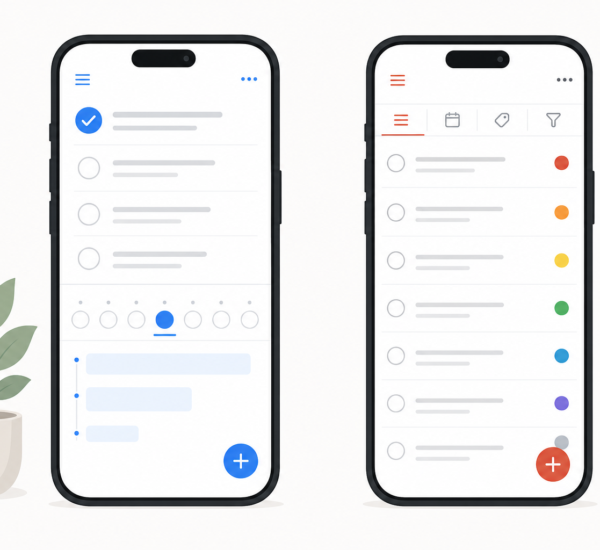
That project has been sitting on your to-do list for three weeks. You know it matters. You know you need to start. But every time you look at it, the sheer size makes you scroll past and pick something easier.
The problem is not laziness or poor time management. The problem is that your brain sees a monolith instead of a path forward.
Breaking work into subtasks is not just organizational housekeeping. It is the difference between a project that haunts your list for months and one that gets done this week.
Why Big Tasks Create Paralysis
When you write down something like “Launch new client website” or “Plan summer vacation,” your brain has no clear starting point. The task is too abstract. It triggers decision fatigue before you even begin.
You open the task, stare at it, and then close it again. Not because you lack motivation, but because the next action is unclear. Without a defined first step, inertia wins.
Subtasks solve this by answering one simple question: What is the smallest thing I can do right now to move this forward?
How to Break Down Any Project
Start with the outcome you want, then work backward. Ask yourself what needs to happen for that outcome to be real. Then break those steps into even smaller actions.
For a work project like “Prepare Q2 budget report,” your subtasks might look like this:
- Pull expense data from accounting software
- Create spreadsheet with department breakdowns
- Draft two-paragraph summary of key trends
- Schedule 15-minute review with finance lead
- Export final PDF and email to stakeholders
Each subtask is concrete. Each one has a clear endpoint. You can finish the first one in ten minutes, and suddenly the project is no longer theoretical.
Make Subtasks Specific Enough to Start Immediately
Vague subtasks defeat the purpose. “Research options” is still too big. “Read three competitor pricing pages and note key features” is something you can do right now.
The test is simple: Can you start this subtask without needing to make another decision first? If yes, it is small enough. If no, break it down further.
Use Subtasks for Personal Goals Too
This approach works just as well outside the office. Planning a family trip can feel overwhelming until you break it into pieces:
- Choose three possible destinations and compare flight costs
- Ask the family group chat for date preferences
- Book refundable hotel for top choice
- Create shared packing list in app
- Set reminder to check in online 24 hours before departure
Now the vacation is not a vague someday idea. It is a sequence of actions you can tackle one at a time, even in short pockets of time between other responsibilities.
Subtasks Build Momentum
The first subtask is the hardest because you are fighting inertia. But once you check off that first small step, the next one feels easier. You have proof that progress is possible.
Momentum is a psychological shift. You stop seeing the project as a burden and start seeing it as a series of small wins. Each completed subtask reinforces the habit of action instead of avoidance.
This is especially valuable for team projects. When everyone can see granular subtasks, it is clear who is doing what and what still needs attention. No one is stuck waiting for clarity. No one is duplicating effort.
When to Add Subtasks
Not every task needs to be broken down. “Reply to Sarah’s email” is already small enough. But if a task has been on your list for more than a few days without progress, that is your signal.
Ask yourself: Am I avoiding this because I do not know where to start? If the answer is yes, open the task and add subtasks until the first action is obvious.
You can also add subtasks as you go. Start with a rough outline, complete the first few steps, and then refine the rest based on what you learn. The goal is not perfection. The goal is forward motion.
Make Subtasks Work for You
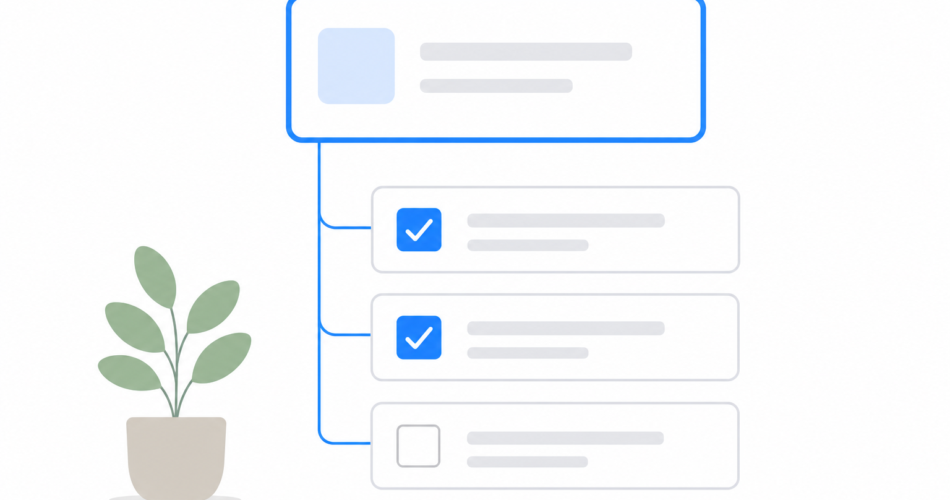
Use any tool that lets you nest tasks under a parent item. Assign subtasks to specific team members if you are collaborating. Set due dates on individual subtasks if timing matters.
The structure itself is less important than the habit of breaking things down. Once you train yourself to see big projects as a sequence of small actions, procrastination loses its grip.
That daunting project becomes a list of doable steps. And doable steps get done.
Start today: Pick one project that has been stalled on your list. Open it and write down three subtasks, each small enough to finish in 20 minutes or less. Then do the first one. Momentum takes over from there.