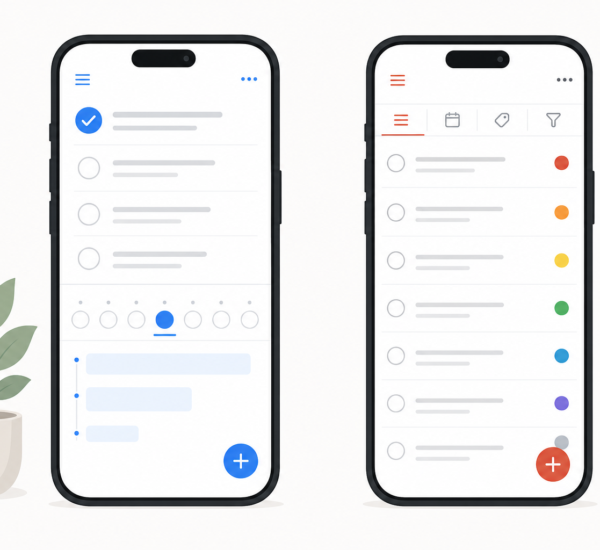
When it comes to project management tools, Trello and Asana have dominated the conversation for years. They’re powerful, feature-rich platforms that millions of teams rely on daily. But here’s the thing: not every team needs all those bells and whistles. Sometimes, you just need a straightforward Kanban board that helps you visualize work without the complexity, learning curve, or hefty price tag.
If you’ve found yourself overwhelmed by feature bloat, frustrated with complicated workflows, or simply looking for a more streamlined approach to task management, you’re in the right place. This guide explores the best lightweight Kanban alternatives that deliver visual workflow management without the overhead.
Why Look Beyond Trello and Asana?
Before we dive into alternatives, let’s understand why teams are seeking lighter options in the first place.
Simplicity over complexity. Trello and Asana have evolved into comprehensive project management ecosystems. While this works beautifully for large organizations with complex needs, smaller teams and solo professionals often find themselves using just 10-20% of available features. Why pay for a Swiss Army knife when you only need a blade?
Performance matters. Feature-rich platforms can feel sluggish, especially when dealing with multiple boards or large teams. Lightweight alternatives often load faster, respond quicker, and provide a snappier user experience that keeps you in the flow state.
Budget constraints. As teams grow, per-user pricing on premium tools adds up quickly. Many lightweight alternatives offer more generous free tiers or flat pricing models that make scaling more affordable.
Focused workflows. Sometimes constraints breed creativity. Tools with fewer features force you to develop cleaner, more intentional workflows rather than getting lost in endless customization options.
What Makes a Kanban Tool “Lightweight”?
Not all Kanban tools are created equal. Here’s what distinguishes truly lightweight alternatives from their heavyweight counterparts:
Intuitive interface. You should be able to create your first board and start working within minutes, not hours. No lengthy tutorials, no certification courses, just straightforward task management.
Fast performance. Pages load quickly, drag-and-drop feels responsive, and you’re not waiting for spinners every time you make a change.
Essential features only. The tool focuses on core Kanban functionality—boards, lists, cards, and basic collaboration—without drowning you in auxiliary features you’ll never use.
Minimal learning curve. New team members should be productive on day one. If you need to send around training materials for a basic Kanban tool, it’s probably not lightweight.
Reasonable pricing. Either a generous free tier for small teams or pricing that doesn’t require approval from three departments and a CFO signature.
Top Lightweight Kanban Alternatives
1. Any.do
Any.do Workspace brings a refreshingly simple approach to task and project management. While it started as a personal to-do list app, it has evolved into a capable team collaboration tool that maintains its core philosophy: keep things beautifully simple.
What makes it lightweight: The interface is clean and uncluttered, focusing on what matters most—your tasks and projects. You can switch between list, Kanban, and calendar views effortlessly, adapting the tool to your workflow rather than the other way around. The learning curve is practically flat; if you can make a to-do list, you can use Any.do.
Key features:
- Intuitive Kanban boards with drag-and-drop functionality
- Seamless integration with calendar for time-blocking
- Smart task organization with tags and priorities
- Real-time collaboration without complexity
- Cross-platform availability (web, mobile, desktop)
- Voice entry for rapid task capture
Best for: Small to medium teams who want the flexibility to work both individually and collaboratively, remote workers who need mobile-first access, and anyone seeking a unified approach to personal and professional task management.
Pricing: Generous free plan for individuals and small teams, with premium plans that won’t break the budget.
2. Wekan
Wekan is an open-source Kanban board that you can self-host or use via cloud providers. It’s essentially Trello’s minimalist cousin—familiar enough to feel comfortable, but stripped down to essentials.
What makes it lightweight: Wekan deliberately avoids feature creep. It does Kanban boards exceptionally well without trying to be an all-in-one project management suite. If you’re technically inclined, self-hosting means you control performance, data privacy, and costs entirely.
Key features:
- Classic Kanban board functionality
- Self-hosting option for complete control
- Card attachments and checklists
- Basic automation with webhooks
- No vendor lock-in with your data
Best for: Development teams comfortable with self-hosting, organizations with strict data privacy requirements, and teams wanting Trello-like functionality without subscription costs.
Pricing: Free and open-source. You only pay for your hosting infrastructure.
3. Taiga
Taiga is an open-source project management platform designed specifically for agile teams. While it offers Scrum support, its Kanban implementation is beautifully straightforward and perfect for teams who want something more focused than the big commercial players.
What makes it lightweight: Despite supporting multiple agile methodologies, Taiga’s Kanban boards are clean and fast. The interface prioritizes clarity over flashiness, and you can ignore the features you don’t need without them cluttering your workspace.
Key features:
- Dedicated Kanban board module
- Customizable workflows and statuses
- Sprint planning capabilities (if needed)
- Issue tracking integration
- Video conferencing built-in
- Self-hosting available
Best for: Agile development teams, open-source enthusiasts, and teams who might want to occasionally use Scrum or hybrid methodologies alongside Kanban.
Pricing: Free for open-source projects and self-hosting, with affordable cloud-hosted plans for private projects.
4. Planka
Planka is one of the newer entries to the open-source Kanban space, and it’s gained traction specifically because it delivers a Trello-like experience without any bloat. Think of it as Trello before Trello became complicated.
What makes it lightweight: Planka is remarkably fast and responsive. The developers have prioritized performance and simplicity, resulting in a tool that feels snappy even with large boards. The real-time collaboration works smoothly without lag or conflicts.
Key features:
- Real-time board updates
- Card attachments and due dates
- Background images for visual board customization
- Member assignments and labels
- Markdown support in descriptions
- Docker-based self-hosting
Best for: Teams wanting the classic Trello experience, small development teams comfortable with Docker, and anyone prioritizing speed and simplicity above all else.
Pricing: Free and open-source. Self-host on your own infrastructure.
5. Kanboard
Kanboard lives up to its name—it’s a Kanban board, period. No frills, no feature bloat, just pure visual workflow management. It’s been around since 2014 and has remained committed to its minimalist philosophy.
What makes it lightweight: Kanboard’s interface is almost spartan. It focuses exclusively on Kanban methodology with just enough features to be useful without becoming overwhelming. Installation is straightforward, and it runs efficiently even on modest hardware.
Key features:
- Pure Kanban workflow visualization
- Swimlanes for organizing related work
- Time tracking built-in
- Basic automation and recurring tasks
- SQL database support
- Plugin system for extensibility
Best for: Solo entrepreneurs, small teams with simple workflows, and anyone who wants Kanban without any other project management methodology mixed in.
Pricing: Free and open-source.
6. Restyaboard
Restyaboard positions itself as an open-source Trello alternative with a focus on staying lightweight while offering some power-user features. It strikes an interesting balance between simplicity and capability.
What makes it lightweight: The core interface is clean and intuitive, very similar to Trello’s familiar layout. It loads quickly and performs well even with numerous boards and cards. You can keep it simple or gradually adopt more advanced features as needed.
Key features:
- Trello-like interface and workflow
- Time tracking and estimates
- Calendar integration
- Import from Trello
- LDAP authentication for enterprises
- Multiple board views
Best for: Teams migrating from Trello, organizations needing some enterprise features without enterprise complexity, and those who want room to grow without jumping to a heavyweight tool.
Pricing: Open-source with self-hosting, plus paid cloud-hosted options.
7. Nullboard
Nullboard is minimalism taken to its logical extreme. It’s a single-page, local-first Kanban board that runs entirely in your browser. No servers, no accounts, no cloud sync—just you and your tasks.
What makes it lightweight: It’s literally a single HTML file. You can’t get more lightweight than that. It loads instantly, works offline, and your data lives in your browser’s local storage. For personal task management or situations where cloud storage isn’t an option, it’s perfect.
Key features:
- Single-file application
- Works completely offline
- Minimalist interface
- Export/import functionality
- No account required
- Zero-cost operation
Best for: Privacy-conscious individuals, offline work scenarios, personal task management, and anyone wanting the absolute simplest Kanban experience possible.
Pricing: Free. It’s just a file.
How to Choose the Right Lightweight Alternative
With so many options, how do you pick the right one for your needs? Ask yourself these questions:
What’s your team size? Solo workers might thrive with ultra-minimal tools like Nullboard or Kanboard, while teams need real-time collaboration features found in tools like Any.do or Planka.
What’s your technical comfort level? Self-hosted open-source options offer maximum control and customization but require technical expertise. Cloud-hosted solutions like Any.do eliminate setup headaches entirely.
What’s your budget? Open-source tools are free but require hosting and maintenance. Commercial tools have cleaner interfaces and support but come with subscription costs.
Do you need mobile access? If you work on the go, prioritize tools with robust mobile apps. Any.do excels here with its mobile-first design philosophy.
What about integrations? If you need your Kanban tool to connect with Slack, Google Calendar, or other services, check integration capabilities before committing.
How important is data privacy? Teams handling sensitive information might prefer self-hosted solutions where they control data entirely rather than trusting cloud providers.
Making the Transition
Switching from Trello or Asana to a lightweight alternative doesn’t have to be painful. Here’s how to make it smooth:
Start with a pilot project. Don’t migrate everything at once. Pick a single project or team, set up the new tool, and run it parallel to your existing system for a few weeks. This gives you confidence without risk.
Export your data. Most tools offer export functionality. Grab your data from Trello or Asana before you fully commit to leaving. Many lightweight alternatives offer import features for easy migration.
Simplify as you migrate. This is your chance to audit your workflows. Do you really need those 47 custom fields? Moving to a simpler tool often reveals processes that can be streamlined.
Train your team. Even with lightweight tools, schedule a brief onboarding session. Walk through the interface together, establish naming conventions, and agree on workflows upfront.
Give it time. Every tool feels awkward at first. Commit to using the new system for at least a month before judging whether it works for your team.
The Future is Lightweight
The trend toward lightweight, focused tools isn’t just about saving money or reducing complexity. It’s about reclaiming focus in an age of digital overwhelm. Every feature you don’t need is cognitive load you don’t have to bear. Every second your tools save is time you can spend on actual work.
Trello and Asana will continue serving large organizations with complex needs beautifully. But for many teams, the lightweight revolution offers something more valuable than features: clarity, speed, and the freedom to focus on work that matters.
Whether you choose an open-source solution like Wekan, a minimalist approach like Nullboard, or a balanced tool like Any.do, the key is finding what fits your workflow rather than forcing your workflow to fit the tool.
Start simple. Stay focused. Ship great work.
Ready to Simplify Your Workflow?
The best project management tool isn’t the one with the most features—it’s the one your team actually uses consistently. If Trello or Asana feels like overkill for your needs, you now have a roadmap of lightweight alternatives that deliver visual workflow management without the bloat.
Try one of these tools for your next project. You might be surprised how much you can accomplish with less.