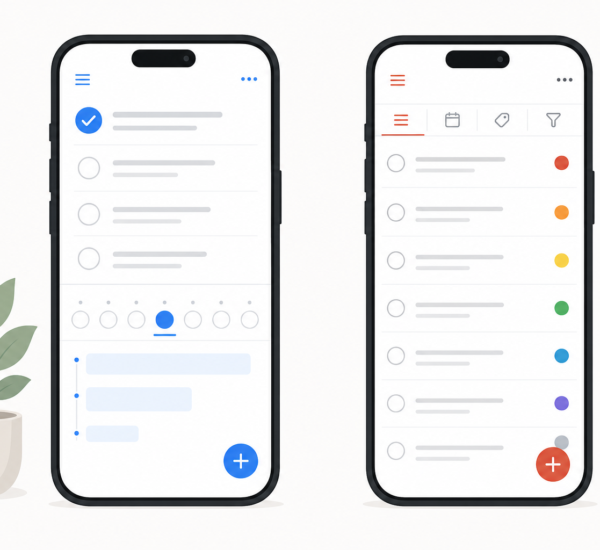
Running a household is project management. Planning a family vacation involves dozens of tasks across multiple people. Renovating the kitchen requires coordinating contractors, tracking purchases, and managing deadlines. Even weekly routines—meal planning, chores, homework—benefit from visual organization.
Yet most project management tools are built for software developers and marketing teams, not families trying to coordinate soccer practice, grocery shopping, and home repairs. The terminology is corporate (sprints, stakeholders, deliverables). The features are overwhelming. The interfaces assume everyone works at a desk all day.
Families need something different: simple, visual, accessible to everyone from tech-savvy teenagers to grandparents who just got smartphones. Something that turns household chaos into shared clarity without requiring training sessions or complicated setups.
This guide explores the best Kanban boards specifically for family and home use—tools that are simple enough for kids to use, powerful enough to manage complex projects, and designed for the unique dynamics of running a household together.
Why Kanban Works Brilliantly for Families
Kanban originated in Toyota factories, but its visual simplicity makes it perfect for families. Here’s why:
Everyone can understand it instantly. A board with columns like “To Do,” “Doing,” and “Done” requires zero explanation. Your eight-year-old gets it. Your partner’s parents visiting for the holidays get it. There’s no learning curve.
It creates shared visibility. When the entire family can see what needs to happen—who’s doing what, what’s next, what’s finished—coordination becomes effortless. No more “I didn’t know I was supposed to do that” or “I thought you were handling it.”
It reduces mental load. Parents (especially moms) carry enormous mental load—remembering everyone’s schedules, tracking household needs, planning ahead. A shared Kanban board distributes this cognitive burden across the family.
It teaches responsibility. Kids can see their tasks, move them across the board themselves, and experience the satisfaction of marking things complete. It’s visual accountability that builds independence.
It adapts to any project. Planning a birthday party, organizing a garage sale, managing a home renovation, coordinating weekly chores—the same board structure works for everything.
It celebrates progress. The “Done” column is pure motivation. Seeing tasks move rightward creates momentum and makes invisible work visible.
What Makes a Kanban Board “Family-Friendly”?
Not every Kanban tool works for families. Here’s what separates family-friendly boards from workplace tools:
Visual appeal matters. Families aren’t motivated by corporate gray interfaces. Color, images, and personalization make boards engaging rather than obligation-inducing.
Simple is better than powerful. Features like custom fields, automation rules, and advanced reporting? Unnecessary. The ability to add a task, assign it to someone, and mark it done? Essential.
Mobile access is non-negotiable. Families don’t gather around a computer. They check boards from phones while grocery shopping, waiting for dance class pickup, or lying in bed planning tomorrow.
Free (or very affordable). Families aren’t expensing software. If it costs money, it needs to be truly worth it.
Kid-friendly interface. If your nine-year-old can’t figure it out independently, it’s too complicated for family use.
Shareable without complexity. Creating a family board and inviting members should take seconds, not require IT support.
Top Simple Kanban Boards for Families
1. Any.do: The Family Coordination Hub
Any.do excels at bridging personal and shared tasks, making it ideal for families where everyone has individual responsibilities plus shared household projects.
Why it’s perfect for families: Any.do understands that family life isn’t purely collaborative—it’s a mix of personal tasks (“finish my homework”) and shared projects (“plan mom’s birthday”). Each family member maintains their personal task list while collaborating on shared boards. This mirrors how families actually work.
The interface is clean and friendly without being childish. It’s sophisticated enough that parents enjoy using it, simple enough that kids can navigate independently. Creating a family board takes seconds: tap “New List,” name it “Family Projects” or “Summer Vacation Planning,” invite family members via email, and start adding tasks.
What makes Any.do particularly valuable for families is the mobile-first design. Parents can add tasks while standing in the grocery store (“we need more milk” becomes a card on the shopping board). Kids can check their chore boards from their phones. Everyone stays synchronized without family meetings.
Family-friendly features:
- Shared boards for family projects
- Personal lists for individual responsibilities
- Voice task creation (perfect for hands-free parenting moments)
- Location-based reminders (“buy paint” when you’re near Home Depot)
- Recurring tasks for chores and routines
- Calendar view for time-sensitive family activities
- Attachments for photos, receipts, inspiration images
- Simple, colorful interface that’s pleasant to use
- No learning curve—immediately intuitive
- Excellent mobile apps for on-the-go family coordination
Perfect family scenarios:
- Vacation planning: Columns for “Research,” “To Book,” “Booked,” and “Pack.” Everyone adds ideas, parents handle booking, kids pack their own stuff.
- Chore management: Weekly chores board with columns by day or family member. Kids move their cards to “Done” independently.
- Home projects: Renovation board tracking contractor tasks, purchases needed, and completion status.
- Event planning: Birthday party, graduation celebration, or holiday gathering coordination with task assignments.
- Meal planning: Weekly menu board where family members claim dinner nights and track grocery needs.
Family workflow example: Saturday morning, your family reviews the “Weekend Projects” board together over breakfast. Dad moves “Fix fence” to “Doing.” Mom moves “Sort garage” to “This Weekend.” Your teenager sees “Wash car” assigned to them and groans but accepts. Your eight-year-old excitedly moves “Bake cookies” to “Doing” and drags you to the kitchen. By Sunday evening, you’ve all moved cards to “Done” and feel accomplished seeing the visual progress.
Pricing: Free for families. Premium features available but unnecessary for typical household use.
2. Trello: The Visual Family Organizer
Trello’s card-and-board metaphor is instantly understandable, making it excellent for families who think visually. The ability to add photos, use colorful labels, and customize boards makes it engaging for all ages.
Why it’s perfect for families: Trello’s strength is visual flexibility. Planning a Disney trip? Add photos of attractions to cards. Managing a home renovation? Attach before-and-after inspiration images. Tracking kids’ school projects? Use different colored labels for each child.
The free plan is genuinely generous for families—unlimited cards, unlimited members, and 10 boards per workspace is more than most households need. The interface is friendly without being dumbed down, striking a balance that works for mixed-age families.
Trello’s template library includes family-specific boards—chore charts, vacation planning, wedding planning, home renovation tracking. You don’t start from blank slate; you start with structure that already makes sense.
Family-friendly features:
- Colorful labels for visual categorization
- Card covers with images (make boards fun and engaging)
- Checklists within cards for multi-step tasks
- Due dates with calendar view
- Attachments from computer or phone
- Comments for family discussions on tasks
- Mobile apps for everyone
- Butler automation for recurring tasks (weekly chore rotation)
- Voting on cards (democratic family decisions!)
- Custom backgrounds make boards personal
Perfect family scenarios:
- Weekly chore rotation: Board with columns for each family member, cards for chores that rotate weekly using Butler automation.
- Home improvement tracking: Multiple boards for different projects (bathroom remodel, backyard landscaping) with photos attached to cards.
- Family bucket list: Board of adventures and experiences with columns like “Someday,” “This Year,” “Planned,” and “Done!”
- School year organization: Board tracking each child’s projects, permission slips needed, upcoming events.
- Holiday coordination: Cards for gifts to buy, recipes to cook, decorations to put up, with family members claiming tasks.
Family workflow example: Your family creates a “Summer Fun” board with columns for each month. Everyone adds activity ideas as cards—beach days, camping trip, visit grandparents, try new restaurant. As weather and schedules permit, you move cards from future months into “This Week” and eventually “Summer Memories.” By September, the “Done” column is full of photos and happy memories.
Pricing: Free plan is excellent for families. Paid plans add features most families don’t need.
3. Microsoft To Do: The Simple Solution
Microsoft To Do won’t win design awards, but its simplicity makes it remarkably effective for families who want straightforward task management without fuss.
Why it’s perfect for families: If your family already uses Microsoft services (Outlook, Office, OneDrive), To Do integrates seamlessly. But even without the ecosystem, it’s valuable because it’s completely free, incredibly simple, and works reliably.
The “My Day” feature is brilliant for families with kids—each person can pull today’s priorities from longer lists into their daily view. Your teenager sees their three tasks for today without being overwhelmed by the entire semester’s assignments.
Shared lists work perfectly for families. Create lists for groceries, weekend tasks, school needs, or any shared responsibility. Everyone sees the same list, anyone can add to it, and checking off items is satisfying for all ages.
Family-friendly features:
- Completely free with Microsoft account
- Shared lists for family coordination
- “My Day” for personal daily prioritization
- Simple, clean interface
- Steps (subtasks) for breaking down complex tasks
- Reminders and due dates
- Notes field for task details
- File attachments
- Works on all devices
- No ads, no upsells, no distractions
Perfect family scenarios:
- Shared grocery list: One list everyone can access. Dad adds “coffee” while running out. Kids add “snacks” they want. Mom reviews before shopping.
- Daily kid routines: Each child has a “Morning Routine” and “Evening Routine” list they work through independently.
- Weekend project list: Shared list of weekend tasks. Family members claim items and check them off as completed.
- School supply tracking: List of supplies needed for back-to-school, with items checked off as purchased.
Family workflow example: Each family member starts their day reviewing “My Day” over breakfast. Everyone pulls tasks from shared lists (chores, family projects) and personal lists (homework, work tasks) into their daily view. Throughout the day, tasks get checked off. Before bed, you quickly review tomorrow’s needs and pull new tasks into tomorrow’s “My Day.”
Pricing: Completely free.
4. Cozi: Built Specifically for Families
Cozi is purpose-built for families, combining Kanban-style lists with calendaring, meal planning, and shopping lists. It’s the only tool here designed exclusively for households.
Why it’s perfect for families: Cozi understands family dynamics deeply. It’s not a work tool adapted for home—it’s built from the ground up for coordinating households. The interface uses family-friendly language and concepts rather than project management jargon.
The color-coding system is brilliant—each family member gets a color, and their tasks/events appear in that color across all views. Visual scanning becomes instant: “That’s my task in blue, that’s dad’s in green.”
Cozi’s approach is more structured than pure Kanban, which some families prefer. Rather than customizing everything, you work within thoughtful defaults that handle common family needs (meal planning, shopping, calendar, lists) without configuration.
Family-friendly features:
- Color-coded family members
- Shared family calendar
- Meal planner with recipes
- Shopping lists with categories
- To-do lists with assignment
- Family journal for memories
- Designed specifically for households
- Simple interface kids can navigate
- Mobile apps for everyone
- Agendas sent to each family member
Perfect family scenarios:
- Meal planning and shopping: Plan the week’s meals, generate shopping list automatically, assign who’s cooking when.
- Activity coordination: Family calendar showing everyone’s activities, practices, appointments color-coded by person.
- Chore management: To-do lists assigned to specific family members with due dates.
- Family communication: Shared lists and calendar reduce “What’s happening this week?” questions.
Family workflow example: Sunday evening, your family sits together for 15 minutes of weekly planning. You review the calendar (whose activities when), plan meals for the week, assign cooking responsibilities, and create the shopping list. Throughout the week, everyone checks their color-coded tasks and events. No more “When is my dentist appointment?” or “What’s for dinner?”
Pricing: Free version covers most needs. Gold membership ($30/year) removes ads and adds features.
5. Notion: For Organized Families Who Like Systems
Notion is overkill for many families, but for households with organized parents who enjoy creating systems, it’s incredibly powerful while remaining accessible.
Why it works for some families: Notion lets you build exactly the family command center you envision. Kanban boards for projects, databases for tracking household items, wikis for family information, calendars for events—all interconnected and customizable.
The learning curve is steeper than other options, but for families who invest the setup time, the payoff is a comprehensive family hub. Kids can check their chore board, review house rules, access recipes, and see the family calendar—all in one place.
Notion’s template gallery includes excellent family templates—household management, chore charts, meal planning, vacation planning. Start with a template and customize from there.
Family-friendly features:
- Highly customizable Kanban boards
- Multiple views of same data (board, calendar, table)
- Embed images, videos, and documents
- Link related information (task links to recipe links to shopping list)
- Shared family workspace
- Templates for common family needs
- Mobile apps (though not as polished as desktop)
- Everything in one place
Perfect family scenarios:
- Complete family hub: One Notion workspace containing everything—calendars, meal plans, chore boards, house rules, important documents, memories.
- Big family projects: Major home renovation or move where you need interconnected tracking of tasks, budget, timeline, and documentation.
- Homeschooling: Curriculum planning, lesson tracking, resource organization, and assignment management.
- Family recipe book: Database of recipes linked to meal plans and shopping lists.
Family workflow example: Your family maintains a Notion workspace with separate pages for different areas. The “Family Dashboard” shows this week’s calendar, meals, and urgent tasks. Kids check their personal pages for chores and homework. Parents use the household database to track maintenance schedules. Everyone adds to the “Family Memories” page after special events.
Pricing: Free for personal use. Sufficient for most families.
Setting Up Your Family Kanban Board
Regardless of which tool you choose, here’s how to set up effectively:
Start with one board. Don’t create boards for every possible thing. Start with one high-priority project—upcoming vacation, spring cleaning, or weekly chores. Get comfortable with the system before expanding.
Use simple columns. Three columns work perfectly: “To Do,” “Doing,” and “Done.” Resist the urge to over-engineer. You can always add complexity later if needed.
Make task creation easy. The board only works if everyone actually uses it. Remove every possible barrier to adding tasks. Voice input, mobile widgets, and quick-add features matter.
Include everyone in setup. Have a family meeting to introduce the board. Let kids add tasks themselves. Let them pick colors or images. Ownership from the start increases buy-in.
Assign clearly. Every card should have a clear owner. “Someone should clean the bathroom” doesn’t work. “Emma cleans bathroom by Saturday” does.
Review together regularly. Weekly family meetings reviewing the board keep everyone aligned. Celebrate completed tasks. Adjust assignments if someone is overwhelmed.
Keep it visual and fun. Add photos, use colors, celebrate completion. The board should feel positive, not like another obligation.
Start simple with kids. Young children begin with just their own tasks. As they mature, they can take on more responsibility for managing shared family boards.
Common Family Kanban Use Cases
Weekly Chore Rotation
Create columns for each day or each family member. Add chore cards that rotate weekly. Kids move their cards to “Done” when complete. Parents can see at a glance what’s finished and what needs prompting.
Home Renovation Projects
Columns: “Planning,” “To Buy,” “To Schedule,” “In Progress,” “Needs Inspection,” “Complete.” Track every aspect of major home projects with photos attached to cards for inspiration and documentation.
Vacation Planning
Columns: “Ideas,” “Research Needed,” “To Book,” “Booked/Confirmed,” “To Pack,” “Packed.” Every family member adds ideas, parents handle booking, everyone packs their own stuff with cards tracking what’s needed.
School Year Organization
Columns for each child or each month. Track permission slips, projects due, events coming up, volunteering commitments. Nothing falls through cracks.
Meal Planning
Columns for each day of the week. Cards for dinners with recipes attached. Family members claim cooking nights. Automatically generates shopping list from planned meals.
Family Bucket List
Columns: “Someday,” “This Year,” “Planned with Date,” “Done!” Everyone adds dream experiences. Cards move forward as you make plans and create memories.
Holiday Coordination
Track gifts to buy, food to prepare, decorations to install, people to invite. Assign tasks across family members so no one person carries the entire load.
Tips for Success with Family Kanban
Make it accessible. If the board lives on one parent’s laptop, it won’t get used. Make it accessible on everyone’s phones, bookmark it on shared devices, add widgets to home screens.
Celebrate completion together. When big projects finish, acknowledge it! Take a family photo in front of the newly painted room, share vacation photos in the “Done” column, have a special dessert when everyone’s chores are complete.
Adjust as you grow. What works with elementary-school kids changes when you have teenagers. Your board structure should evolve with your family’s developmental stage.
Don’t nag—point to the board. Instead of “Did you clean your room?” try “Check your board and let me know when your room card is in Done.” The board becomes the authority, reducing parent-child conflict.
Model the behavior. Parents should visibly use the board too. When kids see you adding tasks, moving cards, and marking completion, they’ll follow suit.
Keep it positive. The board is a coordination tool, not a punishment system. Focus on “Look how much we accomplished!” rather than “Look at what you didn’t do.”
Be flexible. Life happens. Cards move back sometimes. Projects get deprioritized. That’s okay. The board adapts to reality, not the other way around.
When Simple Is Best
You don’t need every feature. You don’t need complex workflows. You need something your eight-year-old can check independently, your teenager won’t complain is “too babyish,” your partner will actually use, and grandparents visiting can understand instantly.
For most families, that means Any.do or Trello—tools that are simple enough to start immediately but powerful enough to grow with your needs. Microsoft To Do is perfect if you want absolutely zero learning curve. Cozi works beautifully if you want an all-in-one family hub. Notion suits families who enjoy building customized systems.
The best family Kanban board isn’t the one with the most features. It’s the one your family actually uses consistently. Start simple. Get everyone involved. Celebrate progress together.
Your household is about to get a lot more organized.
Ready to Bring Order to the Chaos?
Family life is beautifully chaotic—spontaneous adventures, unexpected challenges, constant change. A simple Kanban board doesn’t eliminate the chaos (who would want that?). It creates just enough structure that everyone knows what needs to happen, who’s doing what, and what progress you’re making together.
Try Any.do for a week with one family project. Create a simple board, invite your family, and start moving cards together. You might be surprised how quickly visual coordination reduces stress, eliminates forgotten tasks, and helps everyone feel like they’re contributing to the household.
Because running a family is the most important project you’ll ever manage. It deserves tools that actually work for how families live.